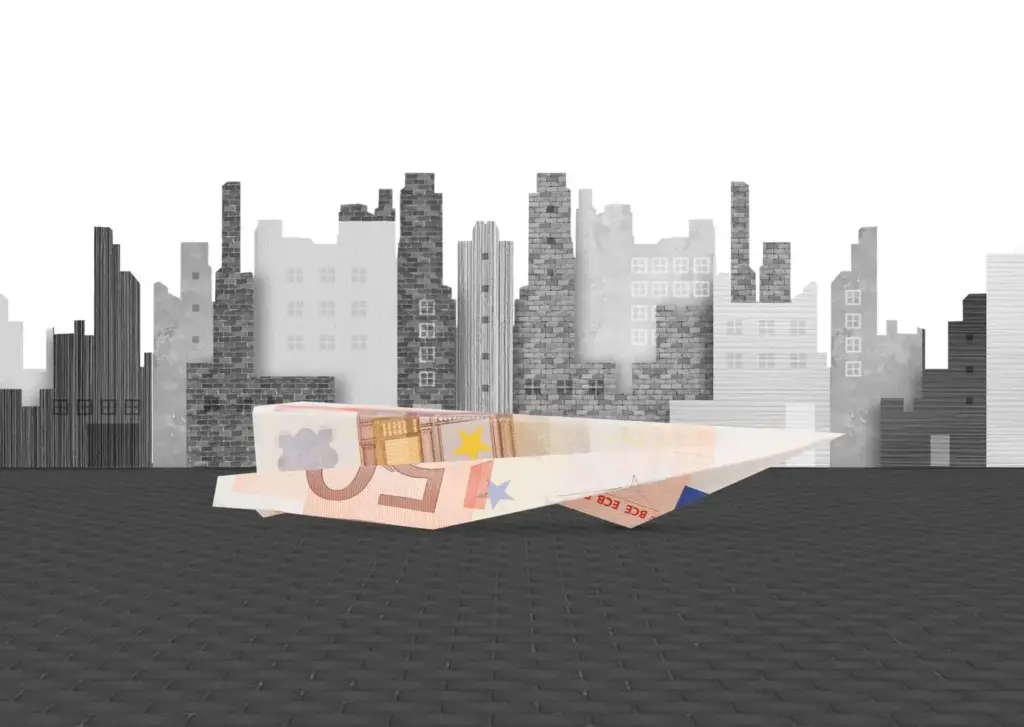
City Returns, Captured in a Blink

Today we explore City Apartment Payback Snapshots, turning dense spreadsheets into crisp, readable frames that reveal how quickly urban rentals return invested capital. Expect practical tactics, street-level nuance, and clear visuals that translate market noise into actionable clarity, empowering confident decisions whether you are negotiating, renovating, refinancing, or simply choosing the next block to buy on.

Reading the Picture Behind the Numbers

A snapshot is more than a static figure; it compresses rent, expenses, price, and time into a single, understandable image. Learn to read payback like you’d read a skyline: depth, angles, and light matter. We’ll layer cash flow, risk buffers, and vacancy assumptions to turn shorthand metrics into honest, usable guidance for your next city purchase.

Cash Flow Framed Month by Month

Monthly framing exposes the heartbeat behind payback: rent received, maintenance spikes, insurance bumps, and debt service rhythms. Instead of a distant estimate, you see the path your capital walks every thirty days, revealing friction points and momentum. This view rescues decisions from guesswork, helping you calibrate reserves, rent targets, and timing for improvements.

Cap Rate Versus Payback, Side by Side

Cap rate gives an instant yield, while payback tells a time story. Place them together and nuances appear: a property with modest cap but strong rent growth may beat a high-cap, flat-growth unit over a few years. Side-by-side snapshots reveal trade-offs, highlighting financing sensitivity, expense drift, and how inflation quietly accelerates recovered capital.

Streets, Stations, and the Hidden Gradient of Returns

Urban payback changes block by block. Proximity to transit, grocery doors, parks, and safety lighting reorders demand in surprisingly measurable ways. By plotting rent against minutes to a major station and noise readings at night, snapshots sharpen into maps. Instead of chasing averages, you’ll target micro-locations where consistent occupancy and pricing power lift recovery speed.


Financing Lenses That Recolor Every Snapshot

Debt structure can transform an average picture into a gem—or the reverse. Amortization schedules, interest paths, and covenants quietly redraw payback timelines. By modeling fixed versus adjustable options, buydowns, and refinance triggers, you’ll see how borrowing choices bend the curve of capital recovery without relying on rosy guesses or brittle perfection in rent growth.

Upgrades That Pay Themselves Back

Not every renovation earns its keep. The winning upgrades shorten vacancy, lift renewals, or trim operating costs. By logging pre- and post-renovation rents and downtime, your snapshot becomes a before-and-after story with dates and dollars. Focus on improvements that tenants notice daily; that’s where incremental comfort turns into measurable, comp-beating payback acceleration.

Rent Caps, Notices, and Renewal Tact

Model allowable increases under current rules, not last year’s headlines. Build renewal calendars, notice buffers, and fee expectations. A calm renewal backed by clear policy beats aggressive turnover almost every time. Your snapshot should reflect probability-weighted outcomes, showing how respectful communication and predictable process often earn more than risky, vacancy-inducing gambles on speculative rent lifts.

Short Stays, Mid-Term Leases, or Twelve-Month Anchors

Different durations reshape risk and effort. Short stays promise higher nightly rates but require operational muscle and regulatory clarity. Mid-term leases serve traveling professionals and reduce churn. Annual anchors stabilize income. Compare cleaning costs, marketing cadence, and compliance overhead. The winning snapshot balances price with peace, pinpointing a duration mix your calendar—and city—can actually support.

Build Your Own Snapshot and Share the Story

Collecting the Right Inputs Without Drowning

Start lean: verified rent rolls, utility histories, insurance quotes, property taxes, maintenance logs, and realistic vacancy. Add neighborhood data in layers—transit minutes, noise readings, and safety trends. A disciplined intake prevents analysis paralysis. Your snapshot should breathe clarity, keeping key assumptions tight, sources cited, and every line traceable to something real, recent, and reasonable.

Cleaning Comps and Normalizing Anomalies

Start lean: verified rent rolls, utility histories, insurance quotes, property taxes, maintenance logs, and realistic vacancy. Add neighborhood data in layers—transit minutes, noise readings, and safety trends. A disciplined intake prevents analysis paralysis. Your snapshot should breathe clarity, keeping key assumptions tight, sources cited, and every line traceable to something real, recent, and reasonable.

Presenting to Partners, Lenders, and Future You

Start lean: verified rent rolls, utility histories, insurance quotes, property taxes, maintenance logs, and realistic vacancy. Add neighborhood data in layers—transit minutes, noise readings, and safety trends. A disciplined intake prevents analysis paralysis. Your snapshot should breathe clarity, keeping key assumptions tight, sources cited, and every line traceable to something real, recent, and reasonable.

Xavorintuloprexo
Privacy Overview

This website uses cookies so that we can provide you with the best user experience possible. Cookie information is stored in your browser and performs functions such as recognising you when you return to our website and helping our team to understand which sections of the website you find most interesting and useful.